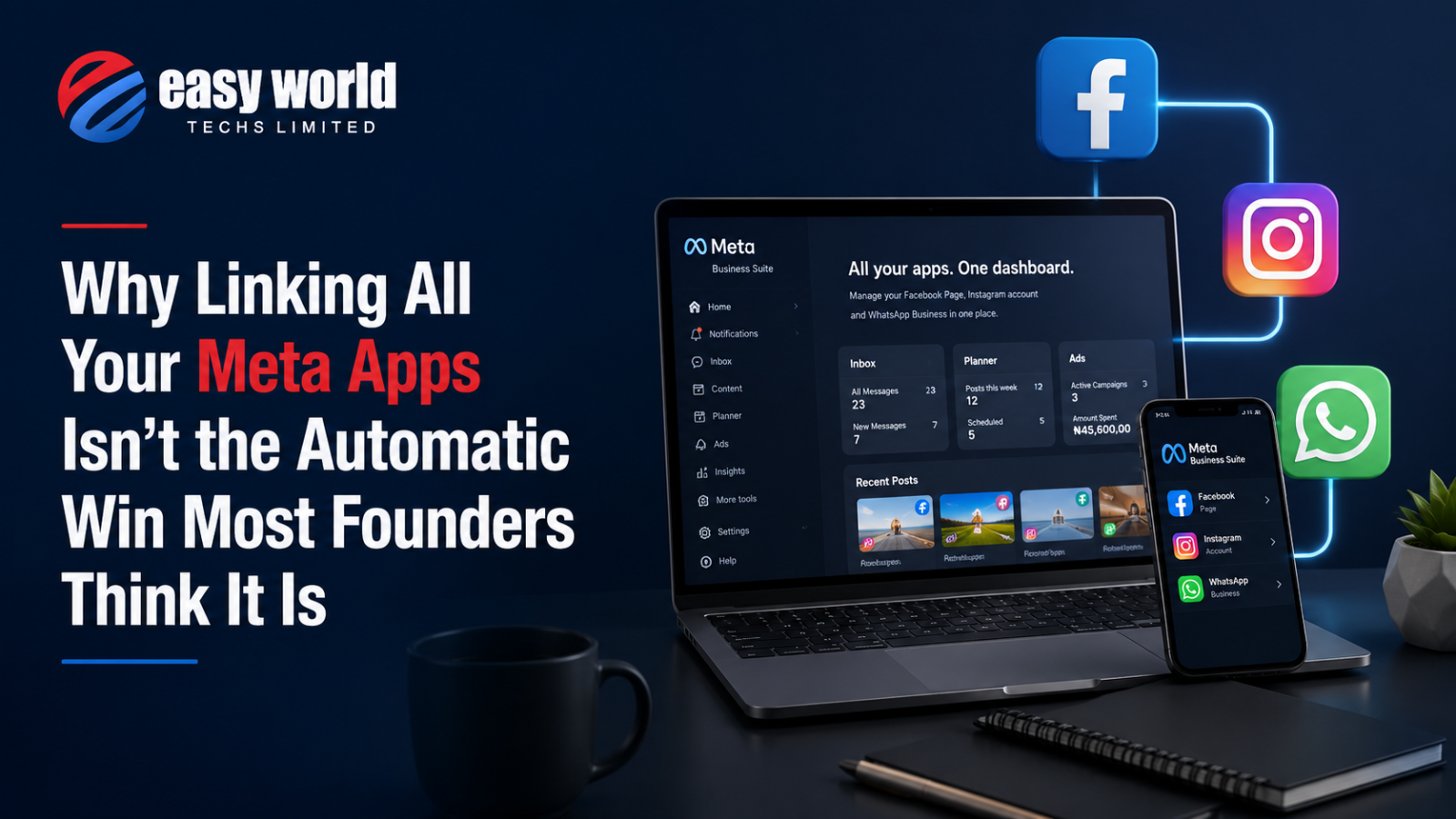
Your business has 2,400 followers on Instagram. You post regularly. The content looks professional. You get likes. Occasionally you get a comment. But when you look at your actual business results, the social media traffic is almost invisible.
It feels like you're doing the right thing. It looks like you're doing the right thing. But something isn't working.
Here's what I notice: almost every business that complains about social media not working is actually operating a very sophisticated content distribution network for people who already know them. They're not building business. They're performing for an audience.
And there's a massive difference.
The Follower Illusion
The first mistake is thinking followers equal opportunity. They don't.
2,400 followers sounds respectable. But let's be real about what that means on Instagram. If you posted something right now, maybe 200-300 people would actually see it. Of those, maybe 30-50 would engage. Of those, maybe 2-3 might take any action.
This is before Instagram's algorithm decisions, before people are busy and scrolling past, before life gets in the way.
So on a good post, you're getting meaningful visibility with maybe 2-3 people. Per post.
Now, if you're posting 4 times a week (which is a serious commitment), that's 8-12 meaningful conversations per week. Per week. With people who are already somewhat interested because they followed you.
Contrast that with spending the same time writing one really good email to a list of 50 qualified prospects. Or having three 20-minute conversations with people who might actually need what you do. The ROI is completely different.
But the Instagram work feels productive. You can see the likes. You can watch the follower count. You can see engagement. So it feels like work that's moving the needle.
The email or the conversations don't feel like as much work because they're less visible. But they're doing more business.
Most businesses spend 80% of their social media energy on content that reaches 5-10% of their actual sales opportunity. Then they're confused why it doesn't work.
What's Actually Happening
Let me be specific about the social media pages I see that aren't generating business.
They look like this:
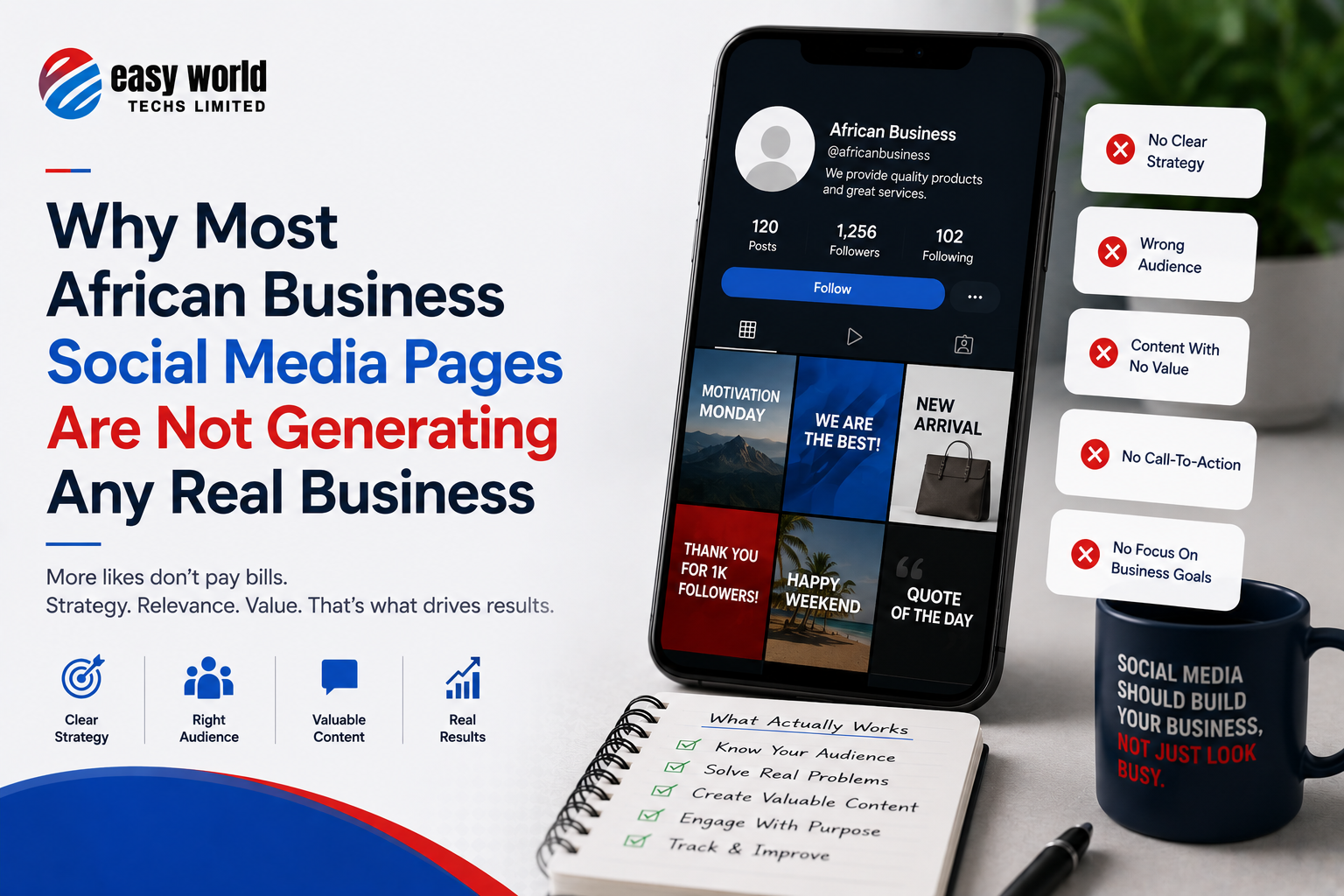
Monday: A carousel post about "5 tips for better customer service" — nicely designed, relevant, educational. Gets 40 likes.
Wednesday: A photo from the office. Team smiling at the camera. "We're hiring! Apply here." Gets 20 likes and 3 applications (none qualified).
Friday: A repost of an industry news article with commentary. Gets 30 likes.
Saturday: A quote graphic. "Success is a journey, not a destination." Gets 15 likes.
It's consistent. It's professional. It's the kind of content that social media experts tell you to post. And it generates... nothing.
Here's why: none of it is designed to make someone take action that leads to business.
The tips post is educational. But it's not tied to a problem someone might be trying to solve with you. The office post is trying to build "company culture vibes," but the person scrolling isn't thinking about culture—they're thinking about whether they should hire you.
The news repost shows you're paying attention to industry trends, which is fine. But it's not actually about your business or your customer's problem. The quote is motivational, but motivation doesn't drive business decisions.
The whole strategy is: "Be visible, be consistent, be relevant to the industry, and people will want to do business with us."
That's not actually how business decisions work. Especially not in Nigeria, where business decisions are heavily relationship and trust-based.
What Actually Works (And Why It Feels Wrong)
The businesses I know that actually generate business from social media do something different. They're not trying to be "social media famous." They're using social media as a targeted communication channel.
One example: a HR consulting firm in Lagos. They post about twice a week. But every post is tied to a specific problem they solve. They don't post tips about hiring. They post: "We just helped a manufacturing company reduce their hiring time from 8 weeks to 3 weeks. Here's what was broken in their process, and here's how we fixed it."
That post gets fewer likes than an inspirational quote would. Maybe 15-20. But those 15-20 people are the exact people who might need that service. And three of them send a DM asking for a conversation.
Another example: a bookkeeping service. They post content like: "If your accountant is still asking for receipts in a box at year-end, you're wasting everyone's time. Here's what a better process looks like and why it matters." Again, fewer likes. But the people who engage are the people who are frustrated with their current bookkeeping situation.
A software development firm: instead of posting about new projects (which looks impressive but doesn't drive business), they post case studies. "This client came to us with a problem. Here's what they were dealing with. Here's what we built. Here's what changed." Very specific. The engagement is smaller. But the people engaging are thinking: "Could they do this for me?"
All of these posts would be considered "boring" by social media engagement metrics. They don't go viral. They don't rack up likes. But they work because they're communicating to the person who might actually become a customer.
The Real Issue: You're Broadcasting, Not Selling
Here's the hard truth: most business social media pages are built around the psychology of personal social media.
Personal Instagram is about sharing moments, building a following, and feeling like you're maintaining relationships. That's what Instagram is designed for.
Business social media is different. It should be: "How do I position my business in front of people who might buy from me, and make it clear why they should consider me?"
Those are completely different goals. But most business owners just copy the personal social media format and wonder why it doesn't work.
On personal Instagram, you get followers by being relatable, consistent, and entertaining. On business Instagram, you get customers by being clear about what problem you solve and showing that you can solve it.
One feels like you're building a brand. The other feels like you're just marketing, which feels icky.
So you choose the first one. You tell yourself it's "building brand awareness" and "engagement" and "community." And technically, you are doing those things. But you're not actually converting any of it to business.
What You Should Actually Be Doing
First: Get clear on what business outcome you want from social media. Not "raise awareness" (too vague). But: "Get 5 qualified inquiries per month" or "Get customers to book a consultation call" or "Generate leads that the sales team can work with."
If you don't know what success looks like, you can't build a strategy for it.
Second: Identify the one specific problem you solve better than anyone. Not all your services. Not what you can do. The one thing you're actually known for or best at. Then build social media content around that one thing.
The HR firm isn't posting about compensation, retention, compliance, culture—they're posting about hiring specifically. That focus is what makes them visible to the right person.
Third: Post less, but more specifically. Instead of 4 generic posts per week, post 2 posts per week that are tied to a specific business outcome. Show the problem. Show the before/after. Show who it's for. Invite action.
If you're a PR firm, don't post "tips for good media relations." Post: "We got this client mentioned in This Day and Premium Times. Here's what we pitched and why it worked." That's for people thinking about PR.
If you're a tax consultant, don't post about tax law updates. Post: "This client almost missed the new NTA filing deadline. Here's what it means for your business and how you should prepare." That's for people worried about taxes.
Fourth: Don't chase the algorithm. Chase the person who might buy from you. Algorithms change. What works on Instagram this month might not work next month. But the person who has a problem and is looking for a solution? That's permanent.
If your content doesn't appeal to algorithm metrics but it gets the right person to message you, that's success. Full stop.
Fifth: Use social media as part of a system, not as the whole system. Social media alone is weak. Social media as a way to build a relationship with someone, then move them to email, then to a call, then to being a customer—that's powerful.
Post something. Someone engages. You reply with value (not a sales pitch). You point them to something more substantial (an email list, a resource, a consultation). Now they're in a relationship, not just scrolling.
Why This Feels Hard
I know why most businesses don't do this. The stuff that actually works feels smaller. It gets fewer likes. It doesn't feel impressive. When you tell people "I got 3 qualified inquiries this week from social media," it sounds less exciting than "I gained 150 followers."
But the first one is actually valuable. The second one is a vanity metric.
The metrics that feel good—likes, shares, follower count—are not the metrics that drive business. The metrics that drive business feel boring: click-through rate, qualification of inquiries, conversion rate, customer value.
Pick boring and profitable over impressive and pointless.
Where to Actually Start
This week: Stop posting about your industry. Stop sharing tips. Stop trying to be inspirational. Instead, pick your next client project or case. Document one before/after. Post about the problem they had, what you did, what changed. That's it. See what happens.
This month: Check your analytics. Which posts actually got people to message you or visit your website? Not which ones got the most likes—which ones moved people to action? Do more of that.
Going forward: Every piece of social media content should answer one of these questions: (1) What problem do I solve? (2) Why am I better at solving it? (3) What does it look like when I've solved it? If your post doesn't answer one of those, reconsider posting it.
What's your most successful social media post? The one that actually generated business? I'm curious what it looked like. Share it with us